2026-10-11 ·
Hail Damage vs. Normal Wear: How to Tell the Difference
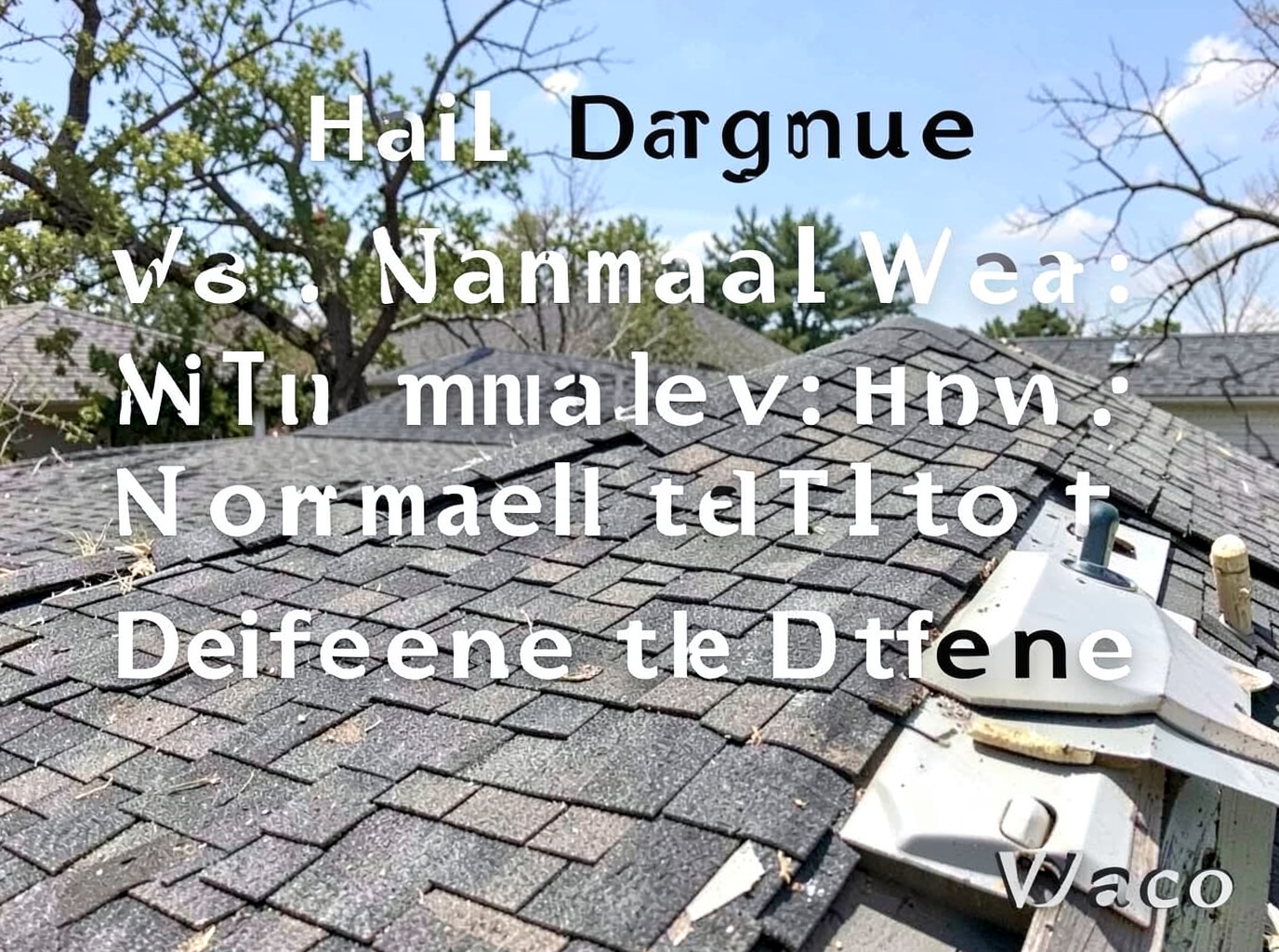
Hail damage appears as scattered dents in shingles with loose granules in concentrated spots, while normal wear shows even fading, curling edges and thinning across the entire surface after 15–20 years of sun exposure. In McLennan County the distinction matters because spring storms deliver hail that hits older homes in Sanger Heights and East Waco harder than gradual aging from hot humid summers.
Spotting Hail Damage Patterns
Hail strikes create random impact craters that remove granules in patches rather than across whole slopes. On asphalt shingles common in Baylor and North Waco neighborhoods, look for bruises that feel soft underfoot and expose the mat underneath. These marks often cluster on south-facing slopes that face incoming storms from the west. Metal roofs in West Waco show dimples without the widespread rust that comes from years of humidity. Inspect during daylight after a storm; hail hits leave clean fractures while age-related cracks follow the grain of the shingle. Homeowners near Cameron Park notice these signs more often because mature trees channel wind and hail toward roofs.
Recognizing Normal Wear and Tear
Normal aging begins with color fading from ultraviolet exposure during Waco’s long summers, followed by loss of flexibility that causes edges to curl. Shingles in South Waco and Dean Highland typically reach this stage between 12–18 years depending on attic ventilation. Granule shedding occurs evenly rather than in spots, and the surface feels uniformly rough. Mild winters reduce freeze-thaw cycles but constant humidity speeds oxidation on flashing and nails. In homes built before 1990 around the Dr Pepper Museum area, layers of previous shingles add weight that accelerates sagging along the center of spans. These changes appear gradually and affect every slope the same way.
How Local Weather and Terrain Change the Signs
Spring storms in McLennan County bring hail mixed with high winds that drive water under lifted shingles, creating leaks that mimic wear but start at impact points. Hot humid summers bake older roofs in East Waco faster than those in shaded Sanger Heights lots. Soil movement from occasional heavy rains shifts foundations slightly, stressing roof planes and producing diagonal cracks that look like age but trace back to one event. Homes near the Waco Suspension Bridge and Baylor University often sit on flatter lots where water pools at valleys, speeding granule loss in predictable lines rather than random hail patterns. Checking after each storm separates sudden damage from steady wear.
Practical Next Steps for Waco Homeowners
Walk the attic after heavy rain to locate wet spots before assuming widespread age issues. Note any soft spots or daylight visible through the decking, which points to recent hail rather than uniform thinning. Compare photos taken before and after a storm season to document changes. For roofs in North Waco or near Magnolia Market, schedule checks in late spring when storm activity peaks. Hail damage roof repair addresses impact marks directly while storm damage roof repair covers wind-driven issues that overlap with hail. Review the guide on how hailstorms damage roofs in Waco for more local examples before deciding on inspection timing.